
After the longest government formation in the history of the Second Republic, Austria now has a new federal government. The process, which lasted more than five months, was characterized by two major ruptures: First, the negotiations for the so-called Zuckerl coalition of the Austrian People's Party (ÖVP), Social Democrats (SPÖ) and liberal NEOS failed. This led to the resignation of ÖVP leader and Federal Chancellor Karl Nehammer at the beginning of 2025. The subsequent coalition negotiations with the right-wing populist Freedom Party of Austria (FPÖ) led by its future chancellor Herbert Kickl were therefore led by the previous Secretary General and interim party chairman of the ÖVP, Christian Stocker. These negotiations also failed, so that the party returned to the beginning and - this time doomed to success, so to speak - managed to form a coalition between the ÖVP, SPÖ and NEOS after all. The more than 200-page program of the government led by Christian Stocker as Federal Chancellor is entitled “Doing the right thing now. For Austria”. It could be the last chance for the political center to prevent FPÖ chairman Kickl from becoming the next Chancellor.
Or adjust your cookie settings under privacy policy.
A Closer Look: The New Tunisian Draft Constitution
On the 25th July 2022 Tunisia will be voting on a new draft constitution. What can we expect? We asked the experts: Prof. Salsabil Klibi, Saïd Bernabia and Dr. Malte Gaier.
#2: Ioana Stupariu on the GDPR's influence in South East Europe
Ioana Stupariu works with tech and healthcare start-ups and companies across Central and Eastern Europe. And she researches on Data protection & Privacy.
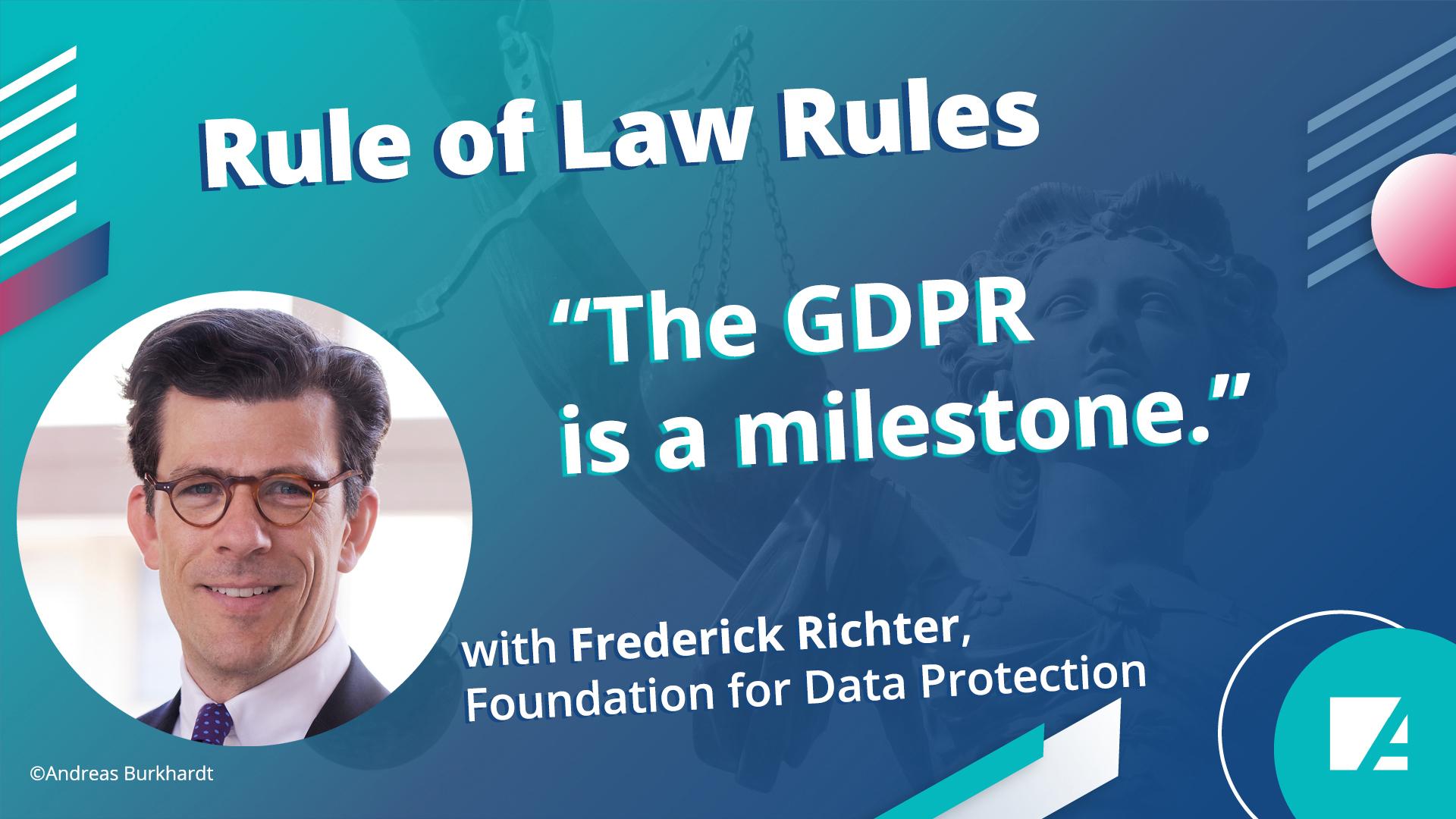
#1: Frederick Richter on the the EU’s GDPR and data protection worldwide
We look at the EU’s GDPR: How is data protection handled in other parts of the world? How can we establish international standards? And what will happen next?